
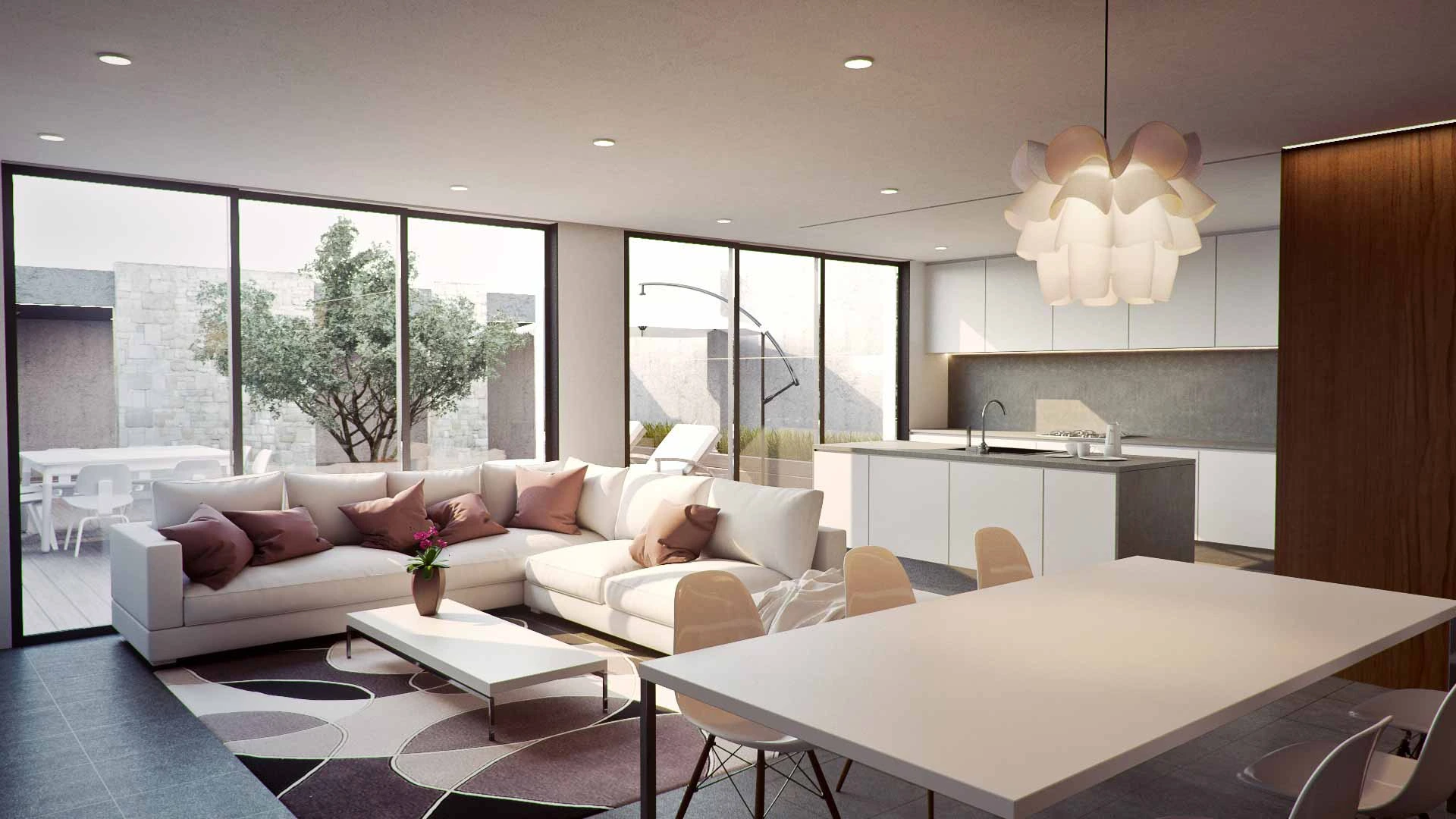



The Transformative Power of Lighting in Interior Design
When it comes to interior design, lighting often takes center stage as one of the most transformative elements. This is not just about aesthetics; the impact of lighting on mood is profound and scientifically backed. The right lighting can lift spirits, make spaces feel welcoming, and even influence behaviors. Conversely, poor lighting choices can create discomfort, make spaces feel oppressive, and negatively impact mood.
Professionals in the field understand that lighting is not merely about illumination; it’s about creating an atmosphere. For instance, in high end residential interiors, lighting is strategically used to highlight architectural features, art pieces, and design elements that contribute to the overall ambiance of a home. This level of detail requires an understanding of both the artistic and psychological aspects of lighting design.
How Lighting Affects Moods: Scientific Insights
It’s fascinating to delve into how different types of lighting affect human emotions and behaviors. Research shows that natural light exposure boosts serotonin levels in the brain, which improves mood and creates a calming effect. This is why homes and offices with large windows or skylights are often perceived as more pleasant environments. Additionally, the color temperature of artificial lighting can greatly influence mood. Warmer tones tend to evoke warmth and relaxation, while cooler tones can enhance alertness and concentration, making them ideal for work settings.
Further studies have demonstrated that dynamic lighting, where the lighting changes in intensity and color throughout the day, mimics natural light patterns and supports circadian rhythms. This type of lighting is becoming increasingly popular in both residential and commercial interior design as it promotes well-being by aligning artificial lighting with the human biological clock.
The Role of Lighting in Interior Design Aesthetics
The aesthetic aspect of lighting should not be overlooked. In the realm of interior design, lighting fixtures themselves can serve as focal points or decorative elements adding to the luxury and sophistication of a space. In interior design services Florham Park, designers often employ a mix of lighting styles—such as pendant lights, floor lamps, and recessed lighting—each adding its unique touch to the room’s aesthetic.
A well-designed lighting scheme can craft a room’s identity and complement its decor. This kind of thoughtful layering involves combining ambient lighting with accent and task lighting to enhance the functionality and style of a space. This approach ensures that every corner of the room is well-lit and aligned with its intended purpose, from relaxing to dining to working.
Practical Tips for Enhancing Mood with Lighting
Transforming your space with lighting doesn’t require a complete overhaul or substantial investment. Simple changes can have a big impact. Start by identifying the primary activities of each room and adjust the lighting accordingly. In living areas, consider using dimmable lighting options to allow flexibility for different activities and moods. Dining rooms, on the other hand, benefit from warm, intimate lighting that fosters a cozy, inviting atmosphere.
Incorporating layered lighting is another effective strategy. This approach ensures that rooms are versatile and well-suited to a variety of activities. For example, kitchens might combine task lighting such as under-cabinet LEDs with ambient light from track lighting or pendant lights over a kitchen island.
Combining Technology and Design for Optimal Lighting
Modern technology offers exciting opportunities to enhance mood through lighting in innovative ways. Smart lighting systems, for instance, allow you to control lighting intensity and color from your smartphone or through voice commands, providing the ability to change the lighting to suit any mood or occasion.
This technological angle is particularly intriguing in luxury interiors Chatham, where smart homes embrace automated lighting solutions that adapt to the homeowner’s lifestyle. From pre-set lighting scenes for movie nights to lights that adjust automatically based on the time of day or occupancy, the possibilities are endless.
Choosing the Right Lighting for Your Space
When choosing lighting, consider not just the visual appeal but also the functional requirements of your space. Pay attention to the scale and proportion of light fixtures relative to the room size to ensure balance.
Additionally, think about the layering effect—how ambient, task, and accent lighting can be combined to cover different needs in the space. Ambient lighting provides general illumination, task lighting directs light to specific work zones, and accent lighting adds drama by illuminating artworks or architectural details.
Don’t be afraid to include statement pieces in the space. A large chandelier can serve as an impactful centerpiece in a living room or dining area, adding both functionality and flair. Meanwhile, subtle yet effective track lighting can highlight a gallery wall or a reading nook, providing functionality and style.
Conclusion: Lighting as a Vital Design Tool
In summary, lighting is a fundamental element of interior design that holds the potential to greatly influence mood and atmosphere. By understanding its psychological effects and following specific design strategies, you can transform any space into a harmonious and emotionally resonant environment. Whether you’re looking to enhance the comfort of high end residential interiors or seeking out innovative ways with interior design services Florham Park, the art of lighting offers endless possibilities. Ultimately, by mastering the interplay between light and design, you can craft spaces that not only look beautiful but also feel extraordinary.